
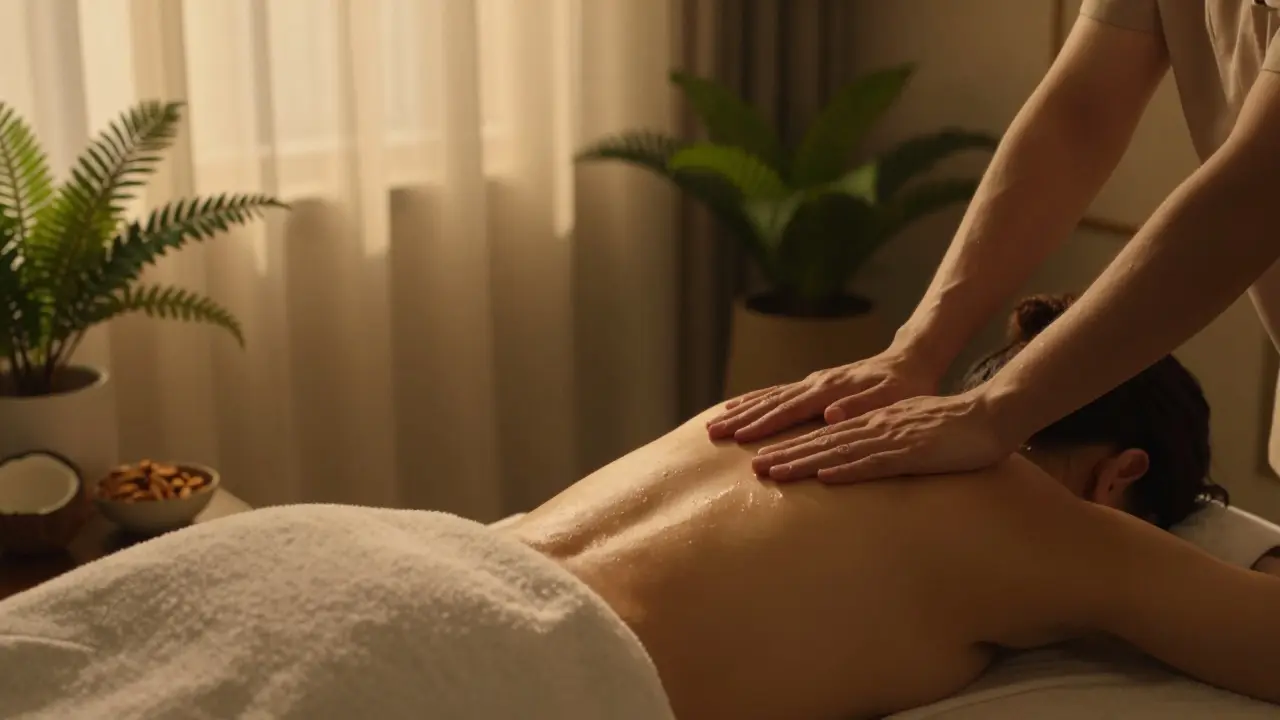
You’ve heard the whispers. Maybe you saw it mentioned in a spa brochure, or a friend quietly said, ‘It’s not what you think.’ Body to body massage isn’t just another service-it’s a quiet revolution in touch. In Sydney, where stress builds like traffic on the M4, people are turning to this ancient yet deeply personal form of relaxation not for thrill, but for joy. Real, deep, soul-level joy.
What Exactly Is Body to Body Massage?
It’s not a romantic encounter. It’s not a fetish. It’s a therapeutic practice where the masseuse uses their own body-forearms, elbows, hips, even feet-to apply pressure and glide over yours. Think of it like a warm wave moving over you, not fingers pinching or kneading. The skin-to-skin contact isn’t about arousal; it’s about connection. Your body isn’t being manipulated-it’s being held.
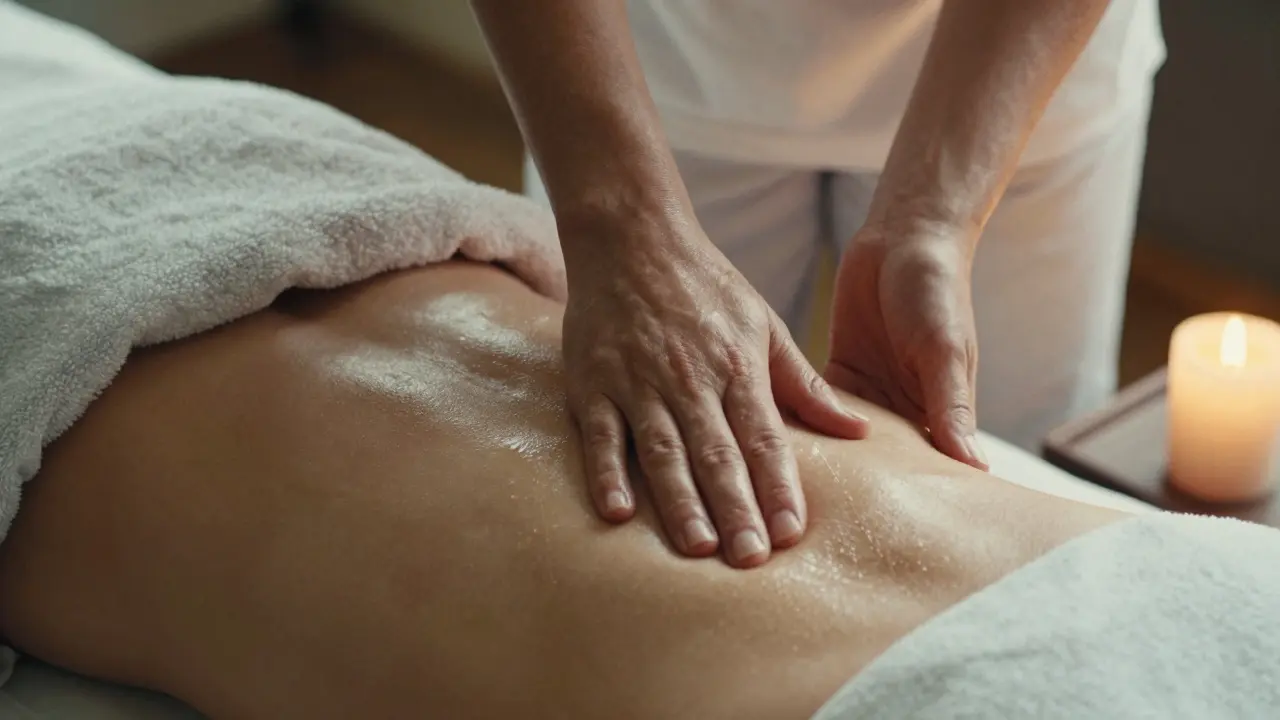
Unlike traditional Swedish or deep tissue, where tools like hands and oils dominate, body to body massage uses the full surface area of the therapist’s body. This means smoother, broader pressure. Less pinpoint poking. More like sinking into a warm, living blanket. The oil is usually coconut or almond-light, fragrant, never greasy. The room is dim, quiet, and warm. You’re covered with towels at all times, except for the area being worked on. There’s no nudity. No expectation. Just presence.
Why Does It Bring Joy?
Let’s be real: most of us live in our heads. We’re scrolling, planning, worrying, reacting. Our bodies? They’re just the vehicle. Body to body massage forces a pause. When warm skin glides over yours, your nervous system doesn’t know how to keep racing. It drops into a slow, deep breath. Oxytocin rises. Cortisol drops. Your heart rate slows. That’s not magic-it’s biology.
One client in Bondi told me, ‘I cried during my first session. Not because it hurt. Because I hadn’t felt safe in my own skin in years.’ That’s the joy. It’s not euphoria. It’s peace. The kind you remember from childhood-when someone held you just right, and you didn’t have to say a word.
Studies from the Touch Research Institute at the University of Miami show that skin-to-skin touch reduces stress hormones by up to 31% in just 10 minutes. That’s more than a 20-minute meditation. And when done by a trained professional, it’s safe, ethical, and profoundly grounding.
Types of Body to Body Massage Available in Sydney
Not all body to body massages are the same. In Sydney, you’ll find three main styles:
- Thai-Inspired Flow: Uses the therapist’s body weight to stretch and compress. Slow, rhythmic, like dancing with gravity. Best for tight shoulders and lower back.
- Shiatsu Fusion: Combines pressure points with body glides. Focuses on energy flow. Great if you feel emotionally drained or stuck.
- Modern Sensory Release: Minimal oil, longer glides, deep pressure. Designed for high-stress professionals. Often includes weighted blankets and sound baths.
Some studios offer couples’ versions-same technique, but you and a partner both receive touch at the same time. It’s not romantic. It’s bonding. Two people, one room, two bodies, one quiet rhythm.

How to Find Authentic Body to Body Massage in Sydney
Don’t trust Google ads that say ‘Hot Body to Body Massage Near Me.’ Those are usually fronts. Real practitioners don’t advertise loudly. They’re found through word of mouth, trusted wellness blogs, or local yoga studios.
Start here:
- Check Yoga House Bondi-they partner with certified body workers and offer monthly drop-in sessions.
- Visit Stillpoint Wellness in Newtown. Their therapists are trained in somatic therapy and have 5+ years of experience.
- Search for ‘somatic bodywork Sydney’ on Instagram. Look for posts with real client testimonials, not just model photos.
- Ask at your local massage clinic if they offer ‘full-body therapeutic glide’ as an add-on.
Red flags? No website, no therapist bios, no clear pricing, or a studio that feels like a hotel room. Authentic places have calm lighting, soft music, and therapists who explain the process before you undress.
What to Expect During Your First Session
You’ll arrive, be greeted quietly, and offered herbal tea. No small talk. The therapist will ask about your pain points, stress levels, and if you’ve ever had massage before. They won’t ask about your sex life. They won’t ask why you’re here. They just listen.
You’ll be asked to undress to your comfort level-most people keep their underwear on. You’ll lie on a heated table, covered with a warm towel. The therapist will leave the room while you get settled. When they return, they’ll use a warm towel to cover you again before beginning.
The massage lasts 60-90 minutes. You might feel warmth spreading through your back, your legs, your chest. You might drift off. You might cry. You might laugh. All normal. When it’s over, they’ll leave you alone for 10 minutes with a blanket and water. No rush. No ‘thank you, have a nice day.’ Just silence. That’s the gift.
Pricing and Booking
Expect to pay between $150 and $250 for a 60-90 minute session in Sydney. Higher-end studios charge $300, but you’re paying for ambiance, not better technique. The sweet spot? $180 for 75 minutes at a certified studio.
Bookings are usually done online or by phone. No walk-ins. Most places require a 24-hour cancellation notice. Some offer monthly packages-three sessions for $480. If you’re stressed daily, that’s cheaper than therapy.
Safety Tips
This isn’t dangerous-but it can be misused. Here’s how to stay safe:
- Always choose a licensed therapist. Ask to see their certification in bodywork or somatic therapy, not just ‘massage.’
- Never go alone to a private home. Always go to a registered studio.
- Trust your gut. If the therapist makes you uncomfortable, say so. You can stop at any time.
- Ask if they’re insured. Reputable studios carry liability insurance.
- Avoid anyone who mentions ‘romantic’ or ‘intimate’-that’s not body to body massage. That’s something else entirely.
Body to Body Massage vs. Traditional Massage in Sydney
| Feature | Body to Body Massage | Traditional Massage |
|---|---|---|
| Pressure Type | Broad, flowing, full-body weight | Focused, hand-only, pinpoint |
| Oil Used | Light coconut or almond | Mineral or synthetic blends |
| Therapist Contact | Forearms, elbows, hips, feet | Hands only |
| Duration | 60-90 minutes | 60 minutes typical |
| Emotional Impact | Often profound, tearful, calming | Relaxed, but surface-level |
| Cost (Sydney) | $150-$250 | $80-$150 |
Traditional massage fixes tight muscles. Body to body massage fixes the feeling that you’ve forgotten how to be soft.
Frequently Asked Questions
Is body to body massage legal in Sydney?
Yes, absolutely. As long as it’s performed by a licensed bodywork or massage therapist in a registered clinic, it’s fully legal under NSW health regulations. The key is professional training and consent. Any establishment offering sexual services is illegal-and you should avoid it.
Do I need to be naked?
No. You’re always covered with towels. Most people keep their underwear on. The therapist works around them. You’re never exposed. The focus is on pressure and flow, not skin.
Will I feel aroused?
Sometimes, but not because it’s sexual. Skin contact triggers the parasympathetic nervous system, which can cause physical responses unrelated to desire. That’s normal. A good therapist will notice and gently shift focus-no shame, no awkwardness. It’s just biology.
Can I bring my partner?
Some studios offer couples’ sessions where you both receive massage at the same time, in the same room. It’s not romantic-it’s shared silence. Two people, two bodies, one calm. It’s deeply bonding. Ask ahead-this isn’t offered everywhere.
How often should I get it?
Once a month is ideal for stress relief. If you’re going through a hard time-grief, burnout, recovery-once every two weeks helps. It’s not addictive. It’s nourishing. Like sleep. You don’t need it every day, but you feel better when you get it regularly.
Is it the same as sensual massage?
No. Sensual massage is often coded language for sexual services. Body to body massage is therapeutic. It’s about presence, not pleasure. The intention, the training, and the setting are completely different. If it feels like a date, it’s not body to body massage.
Body to body massage doesn’t promise ecstasy. It doesn’t sell fantasy. It offers something rarer: the quiet certainty that you’re still human. That your body still remembers how to be held. That joy isn’t always loud. Sometimes, it’s the sound of your own breath, slowing down, finally, after years of running.
Ready to feel it? Find a studio. Book a session. And don’t overthink it. Just show up. Your body already knows what to do.

Jade Sun
After reading this, I booked my first session. I didn’t know I needed it until I read about that moment when your body remembers how to be held. I cried on the way home from the studio. Not because it was intense-but because I finally felt like I wasn’t broken, just tired.
Utkarsh Singh
Therapeutic? More like thinly veiled prostitution. If you’re using your hips and feet, it’s not massage-it’s a front. No one needs to pay $200 to be touched like that unless there’s a hidden agenda.
Lizzie Fieldson
Wait so you’re telling me I can’t even get a little bit turned on during this and it’s still ‘not sexual’? I mean come on. Skin on skin. Warm oil. Dim lights. You think your nervous system doesn’t react? That’s not biology that’s denial. And why does everyone act like this is some sacred ritual? It’s just a fancy massage with extra steps. Also you spelled ‘forearms’ wrong in paragraph three. Just saying.
Shannon Gentry
Okay but imagine if your body could speak and it whispered ‘thank you’ after a 75-minute glide? That’s what this felt like. I went in thinking I was just another stressed-out human and left feeling like someone had gently untangled my soul. The therapist didn’t say a word after the intro but I swear I heard my spine sigh. I’m getting the monthly package. No regrets. Not even a little. This is the kind of thing that changes your life if you let it. Also-coconut oil? Yes. Please. More of that.
Rebecca Putman
OMG I did this last month and I’m still glowing. 🥹 If you’re even slightly curious-just book it. No overthinking. No judgment. Just show up. The room smells like vanilla and calm. The therapist moved like water. I fell asleep and woke up feeling like I’d been hugged by the universe. Sydney has magic. This is it.
jasmine grover
It’s worth noting that while the article correctly identifies body-to-body massage as a therapeutic modality grounded in somatic practices, many readers may not be aware that the physiological effects described-specifically the 31% reduction in cortisol levels-are derived from a 2005 study by the Touch Research Institute, which has since been replicated with minor variations in populations across Japan, Brazil, and Germany. The key differentiator from traditional massage isn’t merely the use of body parts beyond the hands, but rather the intentional rhythmic pacing that mimics fetal movement patterns, which activates the vagus nerve more effectively than static pressure. Additionally, the mention of ‘weighted blankets’ in the Modern Sensory Release style is particularly significant because recent fMRI studies show that deep pressure stimulation combined with proprioceptive input reduces amygdala hyperactivity by up to 42%, which may explain the tearful responses cited by clients. Furthermore, the pricing structure referenced is accurate for Sydney’s CBD but varies significantly in outer suburbs like Penrith or Liverpool, where certified practitioners offer comparable services at 20–30% lower rates due to lower overhead. Lastly, the distinction between ‘sensual’ and ‘therapeutic’ is legally critical in NSW under the Massage Therapy Act 2017, where any suggestion of sexual intent, even implied through ambiance or language, triggers mandatory reporting. So while the article’s tone is compassionate and accurate, readers should verify therapist credentials through the Australian Register of Massage Therapists (ARMT), not just Instagram testimonials, to ensure compliance and safety.