
Key Points
- Body to Body Massage uses the therapist’s skin-to-skin contact for deeper relaxation.
- It’s a popular offering in Dubai’s upscale spas, especially in luxury hotel resorts.
- Expect a private, hygienic setting with clear consent protocols.
- Prices typically range from AED 350 to AED 800 per session, depending on location and duration.
- Safety tips include checking therapist credentials and discussing any medical conditions beforehand.
Direct Answer
Body to Body Massage is a skin‑to‑skin therapeutic experience where the therapist uses their own body weight and warmth to enhance relaxation, often considered a top spa hit in Dubai for its intimate yet professional approach.
Comprehensive Guide to Body to Body Massage
If you’ve ever walked into a Dubai spa and wondered why the treatment menu lists “Body to Body Massage,” you’re not alone. This guide walks you through everything you need to know-from definition to pricing-so you can decide if it’s right for you.
Body to Body Massage is a type of therapeutic massage where the practitioner uses direct skin‑to‑skin contact, often employing the entire torso, thighs, or forearms to apply pressure and warmth. The technique aims to deepen relaxation, improve circulation, and create a heightened sense of well‑being without crossing professional boundaries.
Definition and Context
In the world of wellness, massages range from light Swedish strokes to deep‑tissue pressure. Body to Body Massage sits somewhere in the middle, emphasizing full‑body contact rather than isolated muscle work. Originating from spa cultures that value intimacy and holistic healing, the practice has become a staple in Dubai’s luxury hospitality sector, where wellness tourism is booming.
Benefits of Body to Body Massage
- Enhanced relaxation: Continuous skin contact releases oxytocin, the “feel‑good” hormone.
- Improved blood flow: Warmth from the therapist’s body helps dilate vessels.
- Stress reduction: The rhythmic pressure calms the nervous system.
- Skin nourishment: Many spas use natural oils that hydrate both client and therapist.
- Mind‑body connection: The tactile experience encourages mindfulness.
Clients often report feeling a lingering sense of calm for hours after the session, making it an ideal post‑flight recovery option for travelers landing at Dubai International Airport.
Types of Body to Body Massage Available in Dubai
Dubai’s diverse spa scene offers several variations:
- Classic Body to Body: Full‑body skin contact with a focus on slow, flowing strokes.
- Couples Body to Body: Two clients share the same therapist for a synchronized experience.
- Aromatherapy Body to Body: Essential oils like sandalwood or rose are blended into the massage oil to add sensory depth.
- Hot Stone Body to Body: Warm stones are placed on the back while the therapist maintains skin contact, intensifying heat therapy.
How to Find Body to Body Massage Services in Dubai
Finding a reputable spa is easier than you think:
- Search online directories for “Body to Body Massage Dubai” and filter by 4‑star or higher ratings.
- Check hotel spa menus-luxury hotels like Burj Al Arab, Atlantis, and Armani often list the treatment.
- Read recent reviews on TripAdvisor or Google; look for mentions of hygiene and therapist professionalism.
- Call the spa directly and ask about therapist certifications and consent procedures.
Most top‑tier spas have a dedicated booking line; some even offer instant confirmations via WhatsApp.
What to Expect During a Session
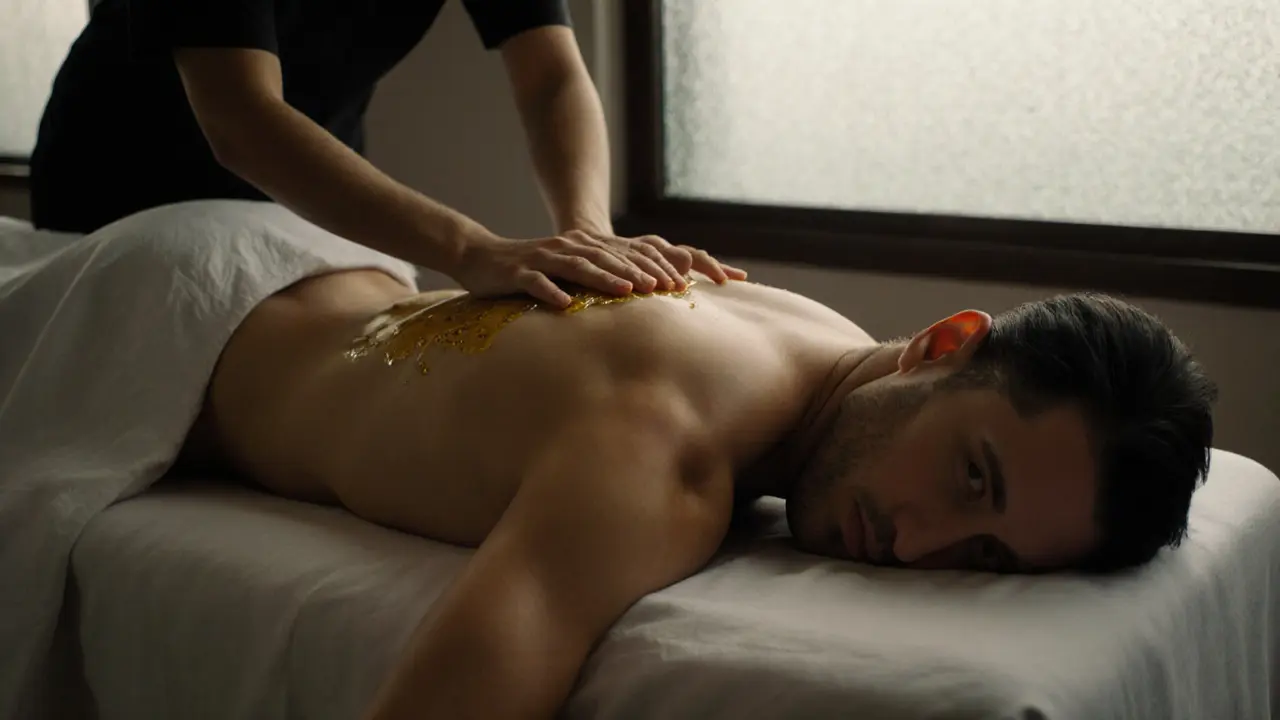
First, you’ll be guided to a private treatment room with dim lighting and soft music. After a brief consultation, the therapist will ask you to undress to your comfort level and lie on a heated table, covering yourself with a sheet.
Once you’re settled, the therapist will gently lay their body over yours, using their torso, hips, or arms to glide across your skin. The pressure is adjustable-communicate if you’d like more or less intensity. Sessions typically last 60 to 90 minutes, ending with a light stretch and a few minutes of quiet relaxation.
Pricing and Booking
| Venue | Duration | Price (AED) | Notes |
|---|---|---|---|
| Luxury Hotel Spa | 60 min | 350 | Includes premium oils |
| Boutique Spa | 90 min | 550 | Private suite, aromatherapy |
| Day Spa Chain | 60 min | 380 | Standard oil, shared rooms |
| Exclusive Resort | 120 min | 800 | Couples package, hot stones |
Most spas allow online booking through their websites; a 24‑hour cancellation policy is standard. If you’re a hotel guest, ask the concierge to arrange the session-sometimes they negotiate a complimentary upgrade.
Safety Tips
- Verify the therapist’s licensing with Dubai Health Authority.
- Discuss any allergies, skin conditions, or recent surgeries before the session.
- Ensure the spa follows strict hygiene protocols-clean linens, sanitized surfaces, and hand washing.
- Consent is key: A reputable spa will ask you to sign a short agreement outlining touch boundaries.
- Stay hydrated after the massage; it helps flush out toxins released during the session.

Comparison Table: Body to Body Massage vs. Swedish Massage in Dubai
| Aspect | Body to Body Massage | Swedish Massage |
|---|---|---|
| Contact Level | Full skin‑to‑skin | Hand‑to‑skin |
| Pressure | Medium to firm, adjustable | Light to medium |
| Typical Duration | 60‑90 min | 45‑60 min |
| Main Benefit | Oxytocin release, deep relaxation | Muscle tension relief |
| Ideal For | Stress relief, mood uplift | Post‑exercise recovery |
FAQ: Your Questions About Body to Body Massage Answered
Frequently Asked Questions
Is Body to Body Massage sexual?
No. Professional spas keep the service strictly therapeutic. Consent forms and clear boundaries ensure the experience remains a wellness treatment.
Do I need to be comfortable with nudity?
You can stay clothed if that feels safer. The therapist will cover you with a sheet and only expose the areas they’re working on.
What should I wear to the session?
Loose, breathable clothing is best. Many clients opt for a simple t‑shirt and shorts, then change in the changing area.
How often can I get a Body to Body Massage?
Weekly sessions are common for stress management, but your therapist may suggest a monthly schedule if you have specific health concerns.
Are there any health risks?
People with acute skin infections, open wounds, or severe heart conditions should avoid the treatment until cleared by a doctor.
Can I choose the therapist’s gender?
Most upscale spas let you request male or female therapists during booking.
Do I need to tip the therapist?
Tipping is optional but appreciated; 10‑15 % of the session price is common in Dubai.
Ready to Try the Top Spa Hit?
If you’re curious about how body to body massage can elevate your relaxation routine, start by checking the spa menus of Dubai’s leading hotels or boutique wellness centers. Book online, confirm the therapist’s credentials, and enjoy a session that blends warmth, touch, and mindfulness into one unforgettable experience.

Aaron Lovelock
It is evident that the proliferation of Body to Body Massage in Dubai’s luxury sector aligns with a broader agenda of data collection under the guise of wellness; the intimate contact settings provide an unobtrusive means for surveillance agencies to embed themselves within elite social circles. The consent forms, while superficially thorough, often contain clauses that permit the recording of biometric data without explicit disclosure. Moreover, the pricing structure, ranging from AED 350 to AED 800, suggests a tiered system designed to segment clientele for targeted profiling. One must remain vigilant and question the true custodians of the information gathered during these ostensibly therapeutic sessions.
Alex Bor
The article nails the core benefits of skin-to-skin contact and outlines the pricing tiers without overwhelming the reader with jargon.
Andrew Young
When we speak of touch, we are not merely describing a physical sensation but invoking a profound metaphysical dialogue between bodies; the Body to Body Massage, in this sense, becomes a silent symposium where muscle, mind, and spirit converge. 🌌 The therapist’s warmth acts as a conduit for the flow of oxytocin, a hormone that, if examined through the lens of existential philosophy, can be seen as a bridge between individual isolation and collective communion. Yet the commercial packaging of this experience in Dubai’s opulent hotels reduces it to a commodified ritual, stripping away its authentic potential for transcendent connection. One might ask whether the glossy brochures capture the ontological weight of true embodied presence or merely market a sanitized version of intimacy. The notion of ‘consent protocols’ is laudable, but consent, in its deepest sense, is more than a signed document; it is an ongoing, negotiated dance of boundaries that requires constant awareness. 🤝 The presence of scented oils and ambient lighting, while soothing, can also be interpreted as a deliberate orchestration of the senses to create an immersive narrative that the consumer willingly subscribes to. From a moral standpoint, the line between therapeutic care and indulgent escapism blurs, prompting us to consider the ethical ramifications of monetizing touch. Are we, as a society, comfortable with outsourcing our need for connection to a paid professional, or does this indicate a deeper erosion of communal bonds? The pricing gradient from AED 350 to AED 800 subtly reinforces socioeconomic stratification, suggesting that deeper relaxation is a privilege reserved for the affluent. In an era where equality is heralded, such disparities in access to basic human experiences demand scrutiny. Moreover, the emphasis on ‘full-body contact’ can be misconstrued, feeding into sensationalist narratives that detract from the genuine health benefits outlined, such as improved circulation and stress reduction. The rise of this trend in Dubai, a city famed for its rapid modernization, mirrors the broader global march toward hyper‑sensory experiences designed to outpace the mundane. 🌍 Yet, amidst the glitter, the essential question persists: does the Body to Body Massage nurture the soul, or does it merely pamper the ego? My position is clear-while the physiological advantages are undeniable, the spiritual cost warrants careful reflection. Ultimately, the practitioner’s role transcends technique; it is an invitation to rediscover embodied mindfulness in a world that increasingly demands digital detachment. 🧘♂️
Michelle Loreto
Great point about the balance between therapeutic benefit and the commercial sheen; we can frame the experience using a biopsychosocial model where the tactile stimulus activates parasympathetic pathways, the aromatherapy introduces phytochemical modulation, and the setting itself leverages environmental psychology to foster a sense of safety. By employing practitioner‑client rapport-building techniques-active listening, calibrated pressure, and informed consent-we ensure the session adheres to evidence‑based practice while preserving the luxurious aura that clients seek.
Jamie Farquharson
Sounds like a sweet way to unwind after a long flight.
Graeme Edwards
Interesting take, Andrew-just a reminder that the physiological response is measurable via heart‑rate variability, which you can track before and after the session 📊.
jessica zhao
Touch, in its purest form, is a dialogue that bypasses language; it is both a sensory input and a deeply relational act that can anchor us in the present moment. When the therapist aligns their breath with yours, the exchange cultivates a shared rhythm that can dissolve mental chatter and promote a meditative state. This embodied mindfulness is especially valuable in high‑stress environments like international travel, where the body often bears the brunt of accumulated tension.
Rajan Chaubey
From a cultural perspective, the acceptance of such intimate therapies reflects a shift toward holistic health paradigms in South Asian diaspora communities; however, it also raises concerns about preserving traditional values.
Whitby Burkhart
Note: "Therapist’s" should be written with an apostrophe after "Therapist" to indicate possession; otherwise, the sentence is grammatically incorrect.